Room and conference sound
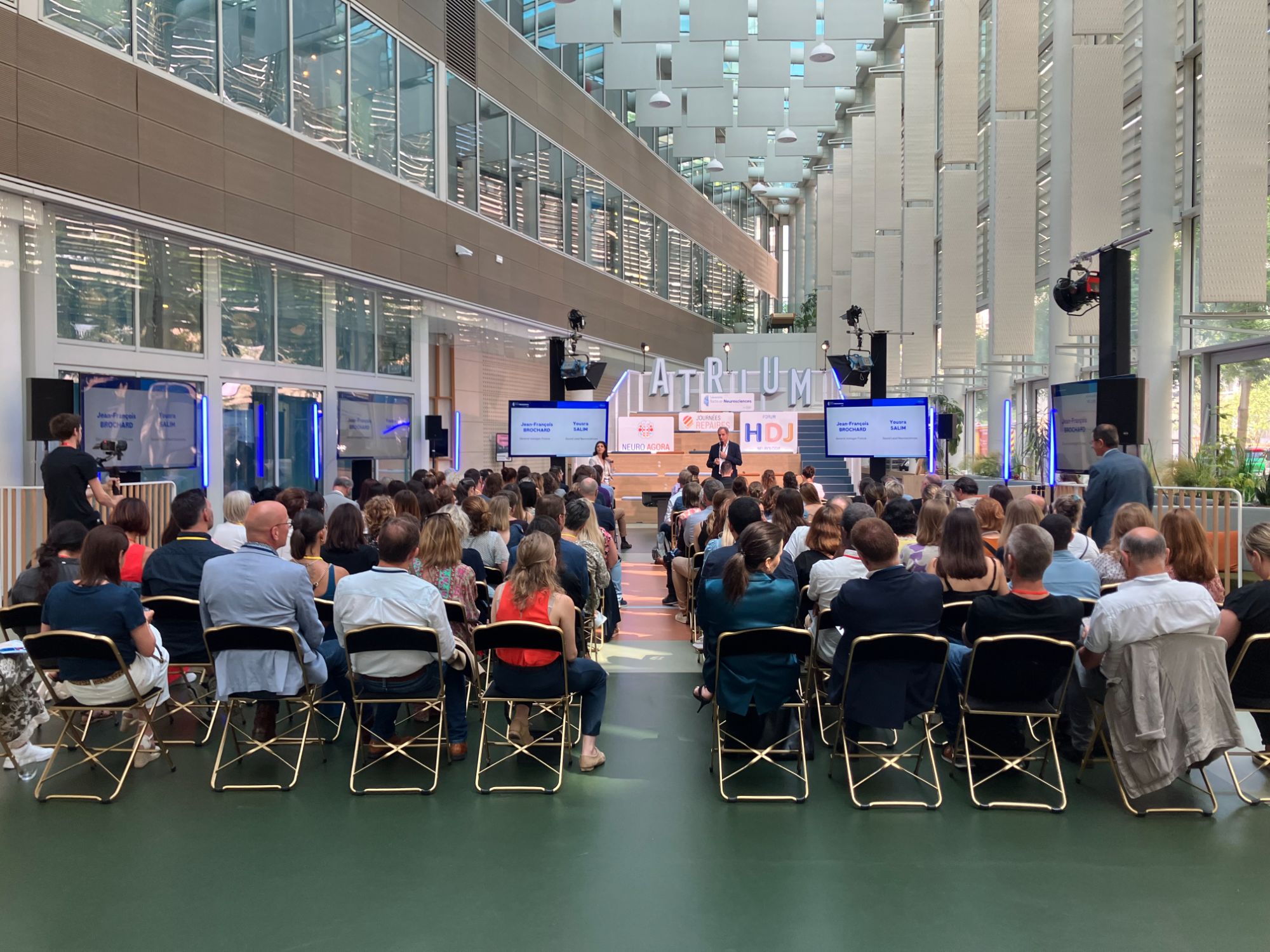
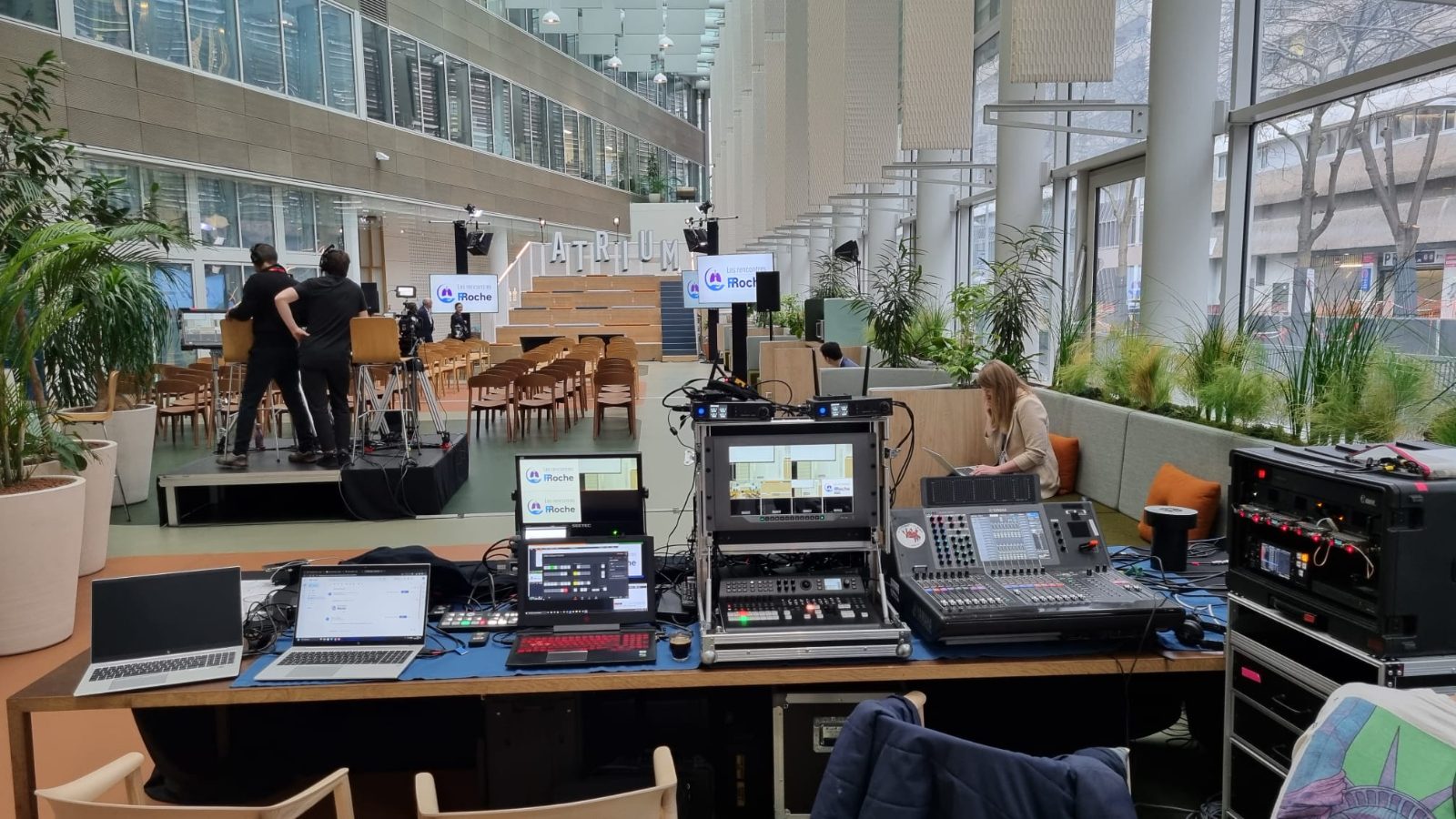
A system matched to the geometry of the room rather than to a headline power figure: even coverage from the first row to the last, speech intelligibility above all. Digital console at front of house, zone equalisation, settings made in the empty room then corrected once the audience is in, and a safety recording of the mix.
Concert and stage sound
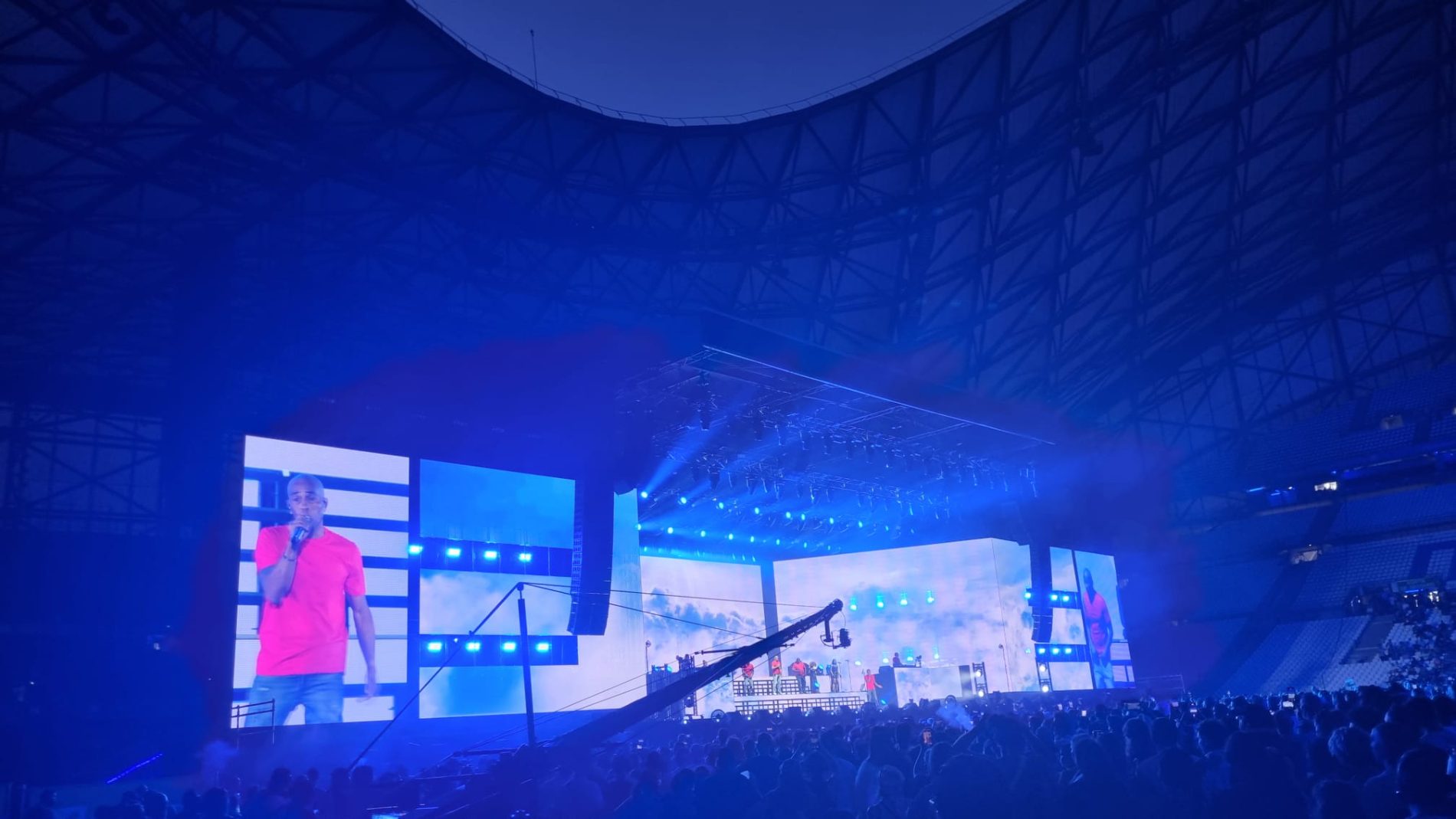
Main system, near-field fills and stage monitors, with all connections agreed in advance with the band or the tour manager. Two separate consoles — front of house and monitors — when the production calls for it, soundchecks kept to schedule, and a mix that stays stable from one song to the next.
Wireless mics, conference and set
Handheld, lavalier and headset mics for speakers, frequency coordination before doors open, and redundancy on the critical links. On panels, one mic per speaker rather than a shared one: that is what makes the recording usable in the edit.
Event lighting design
A lighting plot written around the run of show: entrances, speeches, video segments, highlights. Colours chosen for the brand identity and the cameras in the room, profile spots on the lectern, backlight on stage, house lights on a separate control.
Studio and shoot lighting
Lighting built for the image: contrast ratio, consistent colour temperature, faces that hold up in the grade. The same inventory serves our studio shoots, so the fixtures that go out to an event are the ones our DoPs use every day.
LED screens and video walls
Stage LED walls, house screens and totems, flown on truss or ground-supported depending on what the venue allows. Colour calibration against the cameras to avoid moiré and colour shifts on screen, signal processing and a backup source.
Video projection
Projection onto screen, scenery or building façade, with throw distance and luminance calculated for the venue and its ambient light. Doubled projectors for configurations where the image cannot be allowed to fail.
Video control and screen relay
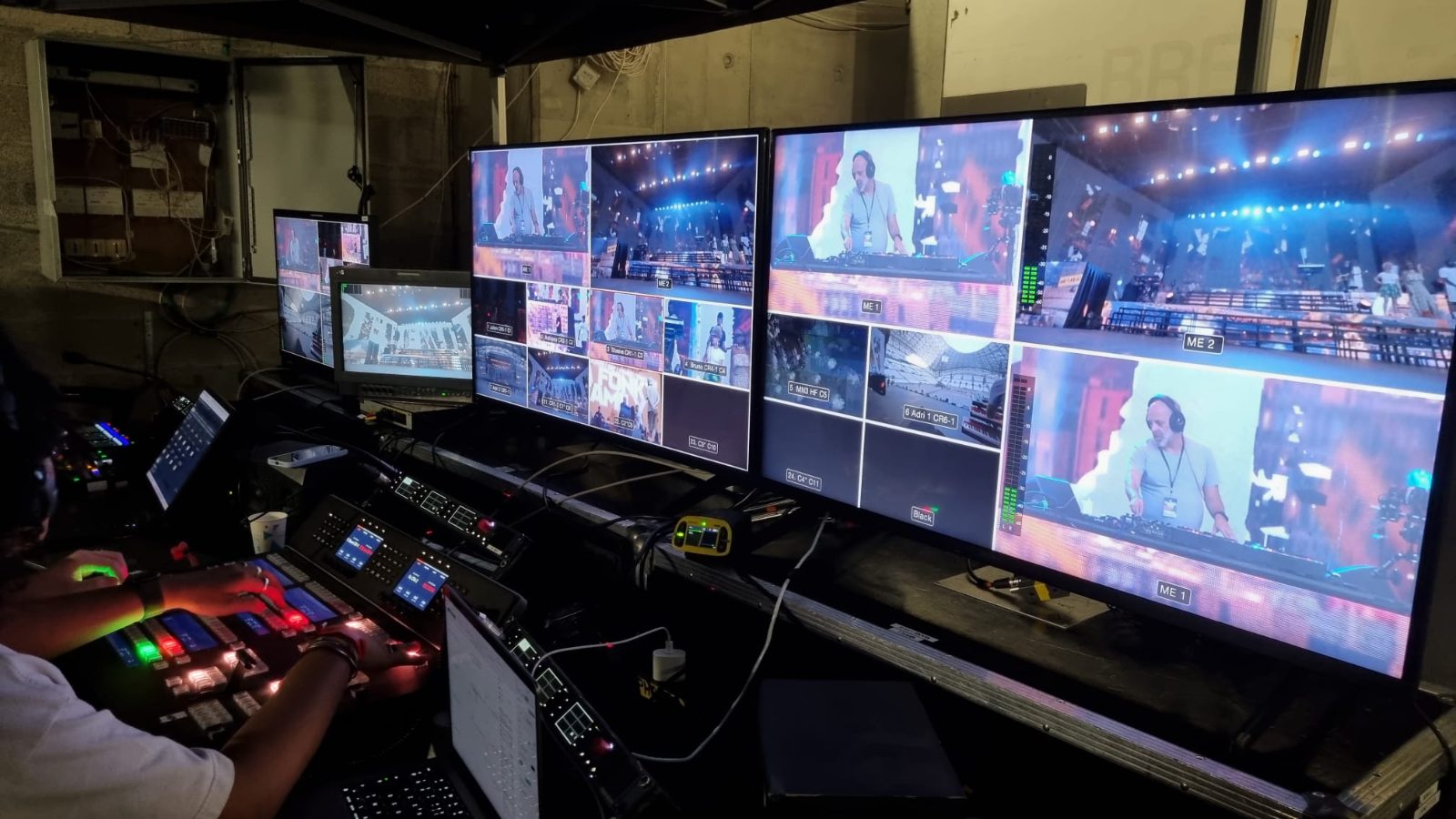
What the cameras see, sent to the house screens: close-ups of the speakers, presentation slides, graphics and lower thirds. The same control position feeds the room, the live stream and the replay — one team, not three suppliers to coordinate.
Technical direction and stage management
A single stage manager across sound, light, video and the venue crews. Site survey, layout plan, power requirements, rigging and de-rig schedule, intercom between positions, and a timed run of show agreed with the production. On the day, one number to call.
Site survey and technical study
A visit before we quote: room volume and acoustics, rigging points, ceiling height, power supply, loading access. That is what keeps surprises off the rigging day and unexpected lines off the invoice.